



VINs / 1999 / Chevrolet / Express / 1GBHG31R2X1128259
1999 Chevrolet Express
Vin:
1GBHG31R2X1128259
Year:
1999
Make:
Chevrolet
Model:
Express
Series:
3500 (1 Ton)
GVWR:
?
Engine
Manufacturer
WRN
Fuel Injection Type
Multipoint Fuel Injection (MPFI)
Displacement(Liters)
5.7
Cylinders
8
Configuration
V-Shaped
Drive Trian
Type
4x2
Manufacturer
Manufacturer
GENERAL MOTORS LLC
Plant Company
GM Truck Corp
Plant City
WENTZVILLE
Plant State
MISSOURI
Plant Country
UNITED STATES (USA)
Safety Features
Brake System Type
Hydraulic
Do you manage a fleet?
FleetChaser will help you track:
- Mileage and maintenance
- Filling and expenses
- Real-time technical condition
Learn More
You'll never want to go back to how your fleet operated before Fleet Chaser
Our construction fleet management software makes your fleet management better, safer, and easier.
Construction and Fleet Management Articles
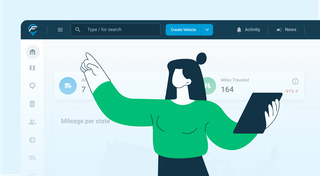
We’ve refreshed the platform’s look, focusing on a more user-friendly design. The new interface not only looks more attractive but is also designed to boost your productivity by making navigation simpler.

Imagine it’s a Monday morning, and your fleet of 100 construction vehicles is ready to hit the road. You’ve got a bunch of active job orders, and one of them is pretty critical: your concrete mixer truck needs to be at a construction site by 8 a.m. sharp.
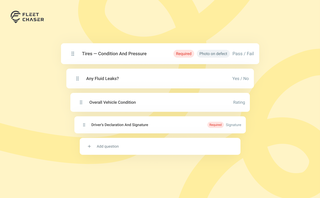
Forms is live in the Console, and the questions in it are yours. Write what your business needs to know, point it at the trucks it applies to, and publish.
Managing a fleet has never been more challenging. Rising insurance premiums, unpredictable fuel costs, and growing maintenance costs combined with the need to keep equipment running efficiently on tight schedules…

Unexpected downtime presents a tangible setback for your fleet. Not only is your asset now off the road, but you have to tweak your operations and allocate finances to accommodate for it.
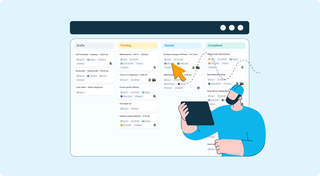
The way teams collaborate is changing. Whether you're coordinating field crews, managing office projects, or overseeing multi-location operations, the old methods of sticky notes, phone calls, and endless email chains just don't cut it anymore.
We're excited to announce the launch of Tasks – a revolutionary feature that transforms how your entire organization plans, assigns, and completes work. This isn't just about field operations; it's about creating seamless workflows across every department, every role, and every location in your business.
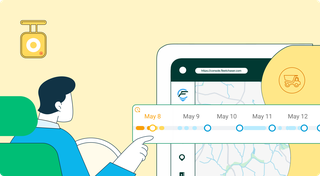
Discover our major updates to the Dash Camera section, designed to streamline your fleet management:
- Enhanced Camera Interface: Enjoy an updated design with a new timeline feature for easy video status tracking.
- Improved Live Section: Clearer status indicators for real-time camera monitoring.
- Upgraded Saved Media Section: Organized media tabs and date sorting for effortless access to your recordings.
Explore these new features for a more efficient fleet management experience.
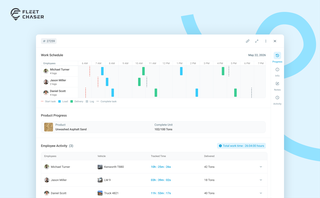
The Progress tab is the single place that shows how a task was actually worked — built from real entries drivers create as they go, not a summary someone reassembled later. A per-employee timeline, live per-product totals, and a filterable log of every load and delivery, with every edit kept on the activity log so corrections never erase the truth.
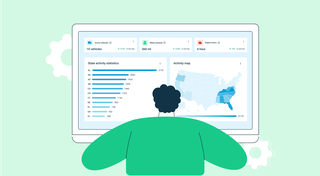
Managing fleets, tasks, and data just got a lot easier! The Fleet Chaser dashboard has been completely redesigned to improve usability and bring a game-changing feature: Customization.