



VINs / 2013 / RAM / 5500 / 3C7WRMAL1DG595932
2013 RAM 5500
Vin:
3C7WRMAL1DG595932
Year:
2013
Make:
RAM
Model:
5500
GVWR:
Class 5: 16,001 - 19,500 lb (7,258 - 8,845 kg)

Engine
Fuel
Diesel
Displacement(Liters)
6.7
Cylinders
8
Turbocharged
Yes
Drive Trian
Type
4x2
Manufacturer
Manufacturer
CHRYSLER DE MEXICO TOLUCA
Plant Company
Saltillo Assembly
Plant City
SALTILLO
Plant State
COAHUILA
Plant Country
MEXICO
Safety Features
Seat Belts(All)
Manual
Brake System Type
Hydraulic
Other Restraint System Info
Active Seat Belt
Do you manage a fleet?
FleetChaser will help you track:
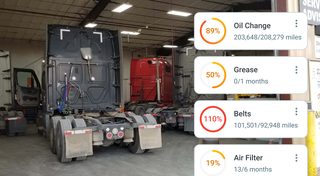
- Mileage and maintenance
- Filling and expenses
- Real-time technical condition
Learn More
You'll never want to go back to how your fleet operated before Fleet Chaser
Our construction fleet management software makes your fleet management better, safer, and easier.
Construction and Fleet Management Articles

Finding useful data and utilizing it properly is a stepping stone towards running an efficient fleet. However, many fleet management systems are unoptimized, and crucial data either gets lost or underused. With fleet management software, working with fleet data is incredibly easier and more straightforward, eliminating manual work and boosting business efficiency.

Keeping your trucks on the road means keeping your business running. A single defect can pose a major setback to your fleet, sacrificing time, money, and customer satisfaction. “Prevention is better than cure” applies here pretty much.
That’s why extending the lifetime of your trucks boils down to preventive maintenance: knowing what type of issues are likely to arise and addressing them early on.
Take a proactive approach to your truck’s upkeep and find out how to avoid the five most common breakdown causes.

Managing multiple companies can be a challenge, especially when you constantly need to log in and out of different accounts. Previously, Fleet Chaser users were limited to managing just one company at a time. If you worked for more than one company, switching between them required logging out and logging in again, which was time-consuming and inconvenient.

In 2025, fleet owners face rising costs, pressure from the competition, and stricter regulations. The key to staying ahead is to adapt, not just follow every trend out there. We’ve picked 5 main fleet management trends to help you keep your operations more efficient and competitive. Ready to improve your fleet more? Check out these insights.
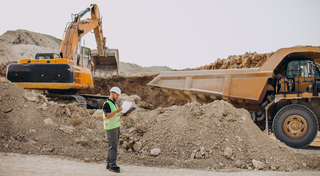
Discover the best dispatch software for construction. Compare Fleet Chaser, Tenna, HCSS, Clue & more to optimize crew scheduling, equipment, and project delivery.

What does it take to develop a fleet management budget that will support you on the way to your business goals? In this short guide will cover the determining aspects you should keep in mind and strategies to employ when drawing up a fleet budget.
But first, let’s clarify — why is it imperative to have one? 🤔
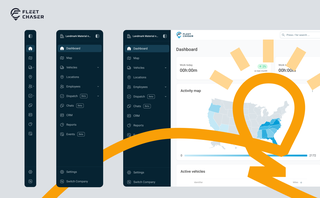
Fleet Chaser navigation just got an upgrade — dark theme, grouped sections, and a collapsible sidebar with 3 states. Here's what changed and where things moved.
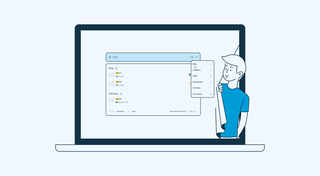
With simplified Global Search, every team member who will be interacting with the software will save valuable time — and, in the long run, all those shortcuts add up, enabling you to focus longer on making crucial decisions for business prosperity, rather than just managing operations.