



VINs / 1995 / Kenworth / T600 / 1XKADB9X8SR670015
1995 Kenworth T600
Vin:
1XKADB9X8SR670015
Type:
Truck-Tractor
Year:
1995
Make:
Kenworth
Model:
T600
GVWR:
?

Engine
Manufacturer
Caterpillar
Model
3406
Fuel
Diesel
Horse Power
355
Displacement(Liters)
14.6
Cylinders
6
Cycles
4
Configuration
In-Line
Drive Trian
Type
6x4
Manufacturer
Manufacturer
KENWORTH TRUCK COMPANY
Plant City
RENTON
Plant State
WASHINGTON
Plant Country
UNITED STATES (USA)
Safety Features
Brake System Type
Air
Do you manage a fleet?
FleetChaser will help you track:
- Mileage and maintenance
- Filling and expenses
- Real-time technical condition
Learn More
You'll never want to go back to how your fleet operated before Fleet Chaser
Our construction fleet management software makes your fleet management better, safer, and easier.
Construction and Fleet Management Articles

Fleet Management Software: A Compelling Investment for 2024
Nowadays, fleet management has the potential to be ramped up to unprecedented speeds and simplified, yet it can carry much more complex data and realize sophisticated tasks.
Pen-and-paper fleet management methods have become competitively disadvantaged, if not obsolete.
Innovative fleet solutions are a prerequisite for running a successful fleet — their long list of powerful features and benefits attests to this.
If you were contemplating making the jump to fleet software, let this be a solidifying, factual overview of the solution’s advantages to dispel your doubts.

We’ve refreshed the platform’s look, focusing on a more user-friendly design. The new interface not only looks more attractive but is also designed to boost your productivity by making navigation simpler.

Some jobs are too big for one driver. Multi-assignee tasks let you put the whole crew on a single task — each person with their own vehicle, status, and progress — while loads and deliveries are counted automatically into one shared total.
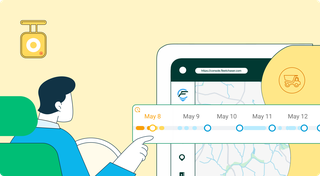
Discover our major updates to the Dash Camera section, designed to streamline your fleet management:
- Enhanced Camera Interface: Enjoy an updated design with a new timeline feature for easy video status tracking.
- Improved Live Section: Clearer status indicators for real-time camera monitoring.
- Upgraded Saved Media Section: Organized media tabs and date sorting for effortless access to your recordings.
Explore these new features for a more efficient fleet management experience.

Hi folks! Let us brighten up your mood :)
We're excited to introduce Live Share, enabling real-time sharing of vehicle information with your customers.
Customers in the dark about their delivery? Customers don’t know where the truck is? Partner companies can’t access vehicle status? These are hurdles of the past!
With Live Share, you can now effortlessly share your vehicles with customers, partners, and colleagues in a secure and customizable manner.

Unexpected downtime presents a tangible setback for your fleet. Not only is your asset now off the road, but you have to tweak your operations and allocate finances to accommodate for it.
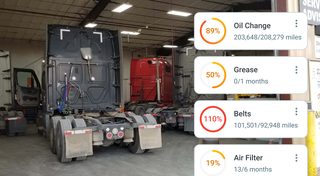

Ever needed to record specific vehicle information that you can’t quite assign to your existing data categories? With notes, important vehicle details are safe in one place, always at your disposal. This can be repair shop inspections, vehicle documents, legal information, etc.

Telematics went from military GPS tracking to a powerful fleet management tool that prevents problems before they arise. Now, it’s all about control, confidence, and peace of mind for fleet owners. Want to see how telematics can transform your fleet? This article breaks down how modern telematics solutions work, real-life success stories, and the answers you’ve been looking for, like where your vehicles are and how to cut fuel costs. Feel free to dive in!