



VINs / 2007 / Toyota / Camry / JTNBB46K973030640
2007 Toyota Camry
Vin:
JTNBB46K973030640
Type:
Sedan/Saloon
Year:
2007
Make:
Toyota
Model:
Camry
Series:
ACV40L/GSV40L/AHV40L
GVWR:
?

Engine
Model
2AZ-FXE+2JM
Fuel
Gasoline
Fuel(Secondary)
Electric
Horse Power
147
Displacement(Liters)
2.4
Cylinders
4
Configuration
In-Line
Electrification Level
Strong HEV (Hybrid Electric Vehicle)
Drive Trian
Type
4x2
Manufacturer
Manufacturer
TOYOTA MOTOR CORPORATION
Plant Company
Toyota Motor Corporation - Tsutsumi Plant
Plant City
TOYOTA CITY
Plant State
AICHI
Plant Country
JAPAN
Safety Features
Air Bag Location(Front)
1st Row (Driver and Passenger)
Air Bag Location(Sides)
1st Row (Driver and Passenger)
Seat Belts(All)
Manual
Do you manage a fleet?
FleetChaser will help you track:
- Mileage and maintenance
- Filling and expenses
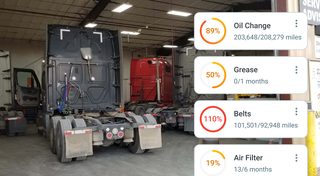
- Real-time technical condition
Learn More
You'll never want to go back to how your fleet operated before Fleet Chaser
Our construction fleet management software makes your fleet management better, safer, and easier.
Construction and Fleet Management Articles

We've launched Time Clock, a fully integrated system that lets employees track their time with clarity — and gives managers the tools to approve and manage everything without the guesswork.
Built into both the Employee App and the Console, this feature helps eliminate timesheet chaos and brings structure to your team's day-to-day work tracking.
In 2025, fleet owners face rising costs, pressure from the competition, and stricter regulations. The key to staying ahead is to adapt, not just follow every trend out there. We’ve picked 5 main fleet management trends to help you keep your operations more efficient and competitive. Ready to improve your fleet more? Check out these insights.
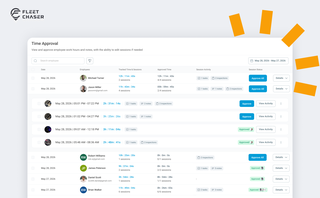
Time Approval now opens a full Session Details view of every shift before you sign off, and the new Pay Period screen turns approved hours into a click-to-pay workflow. Together they cover the whole stretch from clock-out to paycheck — without leaving Fleet Chaser.

We’re excited to announce that Fleet Chaser will be at the Charlotte Build Expo 2024 on December 11-12 at the Charlotte Convention Center. This is your chance to connect with us in person and learn how we’re helping SMBs in the construction industry take control of their fleet operations.

You know where your vehicle is. But do you know what's happening around it?
That's why we introduced the Cameras Overview tab in Fleet Chaser. Now, dispatchers, safety managers, or operations leads can quickly see exactly what's going on - directly through the cameras installed in your vehicles.

Idle fleet vehicles draining money, drivers taking hour-long detours to lunch, traffic jams derailing schedules, maintenance issues snowballing into bills with multiple zeros… If you’re nodding along to these fleet management issues, you’re not alone.
Managing a fleet has never been more challenging. Rising insurance premiums, unpredictable fuel costs, and growing maintenance costs combined with the need to keep equipment running efficiently on tight schedules…

Some jobs are too big for one driver. Multi-assignee tasks let you put the whole crew on a single task — each person with their own vehicle, status, and progress — while loads and deliveries are counted automatically into one shared total.