



VINs / 2015 / Peterbilt / 567 / 1XPCDP9X2FD275105
2015 Peterbilt 567
Vin:
1XPCDP9X2FD275105
Type:
Truck-Tractor
Year:
2015
Make:
Peterbilt
Model:
567
GVWR:
?
Engine
Manufacturer
PACCAR
Model
MX/MX-13
Fuel
Diesel
Horse Power
380
Displacement(Liters)
12.9
Cylinders
6
Cycles
4
Configuration
In-Line
Drive Trian
Type
6x4
Manufacturer
Manufacturer
PETERBILT MOTORS COMPANY
Plant Company
Peterbilt
Plant City
DENTON
Plant State
TEXAS
Plant Country
UNITED STATES (USA)
Safety Features
Brake System Type
Air
Do you manage a fleet?
FleetChaser will help you track:
- Mileage and maintenance
- Filling and expenses
- Real-time technical condition
Learn More
You'll never want to go back to how your fleet operated before Fleet Chaser
Our construction fleet management software makes your fleet management better, safer, and easier.
Construction and Fleet Management Articles
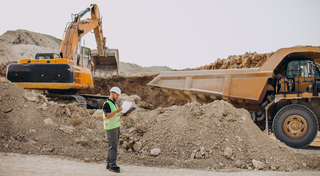
Compare 8 dispatch platforms for US construction fleets — features, pricing, and which fits a 10-vehicle vs 50+ fleet. Includes Samsara, Fleetio, Procore.

Managing multiple companies can be a challenge, especially when you constantly need to log in and out of different accounts. Previously, Fleet Chaser users were limited to managing just one company at a time. If you worked for more than one company, switching between them required logging out and logging in again, which was time-consuming and inconvenient.

You know where your vehicle is. But do you know what's happening around it?
That's why we introduced the Cameras Overview tab in Fleet Chaser. Now, dispatchers, safety managers, or operations leads can quickly see exactly what's going on - directly through the cameras installed in your vehicles.
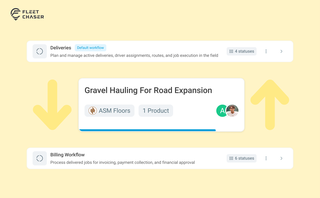
Work doesn’t stop at one team. Transfer in Fleet Chaser hands a task from one workflow to another in a single move, keeping every product, attachment, and activity-log entry attached. No re-typing, no lost history.
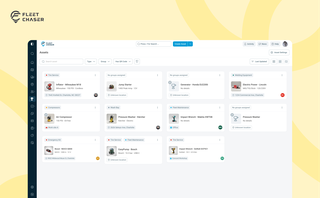
Assets is a new Console section for the things that are not vehicles. Give a tool a QR sticker, see where it was last scanned, and let your crew sign it out by filling a form on the phone.

A construction dispatcher fields the same four calls all day — where are you, did you finish, when's the truck coming, which site. None are emergencies, but together they burn about two hours. Here's where the time goes — and the first call to move off the phone.

Fleet management can feel like a truckload of troubles no one wants to deal with. As the team behind Fleet Chaser, we talk to fleet managers daily, dive into the latest reports, and help fleet businesses tackle their common challenges. In this article, we break down the biggest pain points fleet operators face and how the experts solve them. Read on!
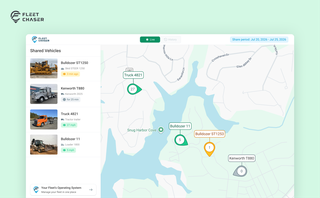
Live Share update: share a vehicle by link and let your customer see not just the live map, but the route history for the exact days you worked their site.

Fleet Management Software: A Compelling Investment for 2024
Nowadays, fleet management has the potential to be ramped up to unprecedented speeds and simplified, yet it can carry much more complex data and realize sophisticated tasks.
Pen-and-paper fleet management methods have become competitively disadvantaged, if not obsolete.
Innovative fleet solutions are a prerequisite for running a successful fleet — their long list of powerful features and benefits attests to this.
If you were contemplating making the jump to fleet software, let this be a solidifying, factual overview of the solution’s advantages to dispel your doubts.