



VINs / 2023 / Lincoln / Nautilus / 2LMPJ8J9XPBL20555
2023 Lincoln Nautilus
Vin:
2LMPJ8J9XPBL20555
Type:
Sport Utility Vehicle (SUV)/Multi-Purpose Vehicle (MPV)
Year:
2023
Make:
Lincoln
Model:
Nautilus
GVWR:
?

Engine
Manufacturer
Ford
Model
GTDI
Fuel
Gasoline
Displacement(Liters)
2.0
Cylinders
4
Configuration
In-Line
Turbocharged
Yes
Drive Trian
Type
AWD/All-Wheel Drive
Manufacturer
Manufacturer
FORD MOTOR COMPANY OF CANADA, LTD.
Plant City
OAKVILLE
Plant State
ONTARIO
Plant Country
CANADA
Safety Features
Air Bag Location(Front)
1st Row (Driver and Passenger)
Air Bag Location(Sides)
1st and 2nd Rows
Seat Belts(All)
Manual
Brake System Type
Hydraulic
ABS (Antilock Braking System)
Standard
ESC (Electronic Stability Control)
Standard
Do you manage a fleet?
FleetChaser will help you track:
- Mileage and maintenance
- Filling and expenses
- Real-time technical condition
Learn More
You'll never want to go back to how your fleet operated before Fleet Chaser
Our construction fleet management software makes your fleet management better, safer, and easier.
Construction and Fleet Management Articles
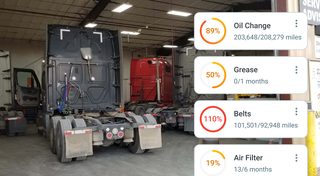

Idle fleet vehicles draining money, drivers taking hour-long detours to lunch, traffic jams derailing schedules, maintenance issues snowballing into bills with multiple zeros… If you’re nodding along to these fleet management issues, you’re not alone.

Operating a fleet requires greater-scale management to ensure performance optimization, expense reduction, and efficient cost distribution. Without outlining a budget that keeps track of every expenditure and point of resource consumption, financing and running a fleet business becomes very complicated and unproductive.

Fleet Chaser: Liquid Metal Design Philosophy
At Fleet Chaser, our design philosophy embodies clarity, resilience, and adaptability, much like liquid metal—a substance strong enough for rigorous demands yet fluid sufficient to mold effortlessly around your unique business needs. Here's how this philosophy translates into our interface and functionalities.

In a fast-paced fleet management environment, staying on top of important updates is crucial. That’s why we are introducing Fleet Chaser Notifications—a centralized system designed to ensure you never miss critical alerts while avoiding unnecessary distractions.

A well-constructed fleet management strategy is the backbone of profitability and efficiency of any fleet business. Adequate management not only reduces delays by reinforcing organization but also prevents downtime, cutting costs and increasing potential revenue as a result, and ensures your assets are always in top condition.

Fleet management can feel like a truckload of troubles no one wants to deal with. As the team behind Fleet Chaser, we talk to fleet managers daily, dive into the latest reports, and help fleet businesses tackle their common challenges. In this article, we break down the biggest pain points fleet operators face and how the experts solve them. Read on!
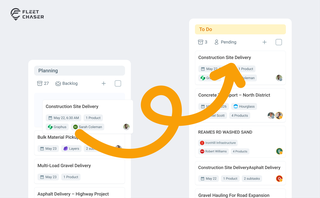
Most dispatchers still drag tomorrow's jobs onto the board every morning. Schedule Automation removes the ritual — set a rule on a workflow once, and planned tasks promote themselves onto the active board when their start time is near. It reacts when plans change, and you can still promote any job by hand in one click.
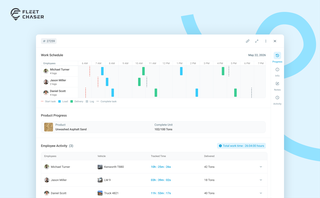
The Progress tab is the single place that shows how a task was actually worked — built from real entries drivers create as they go, not a summary someone reassembled later. A per-employee timeline, live per-product totals, and a filterable log of every load and delivery, with every edit kept on the activity log so corrections never erase the truth.